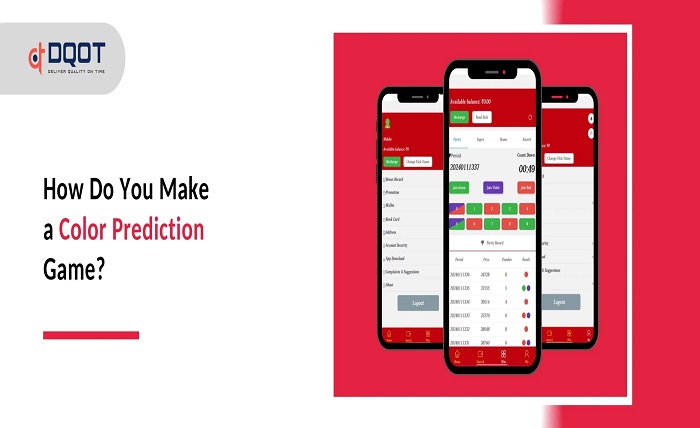
Online color prediction games have become a popular form of digital entertainment, offering players quick rounds of chance-based gameplay and the possibility of instant rewards. Their simplicity and accessibility make them appealing to a wide audience, but the very features that attract players can also lead to unhealthy usage patterns. Recognizing the signs of unhealthy engagement is essential for players, families, and regulators to ensure that participation remains safe and enjoyable. This article explores the indicators of problematic behavior in online color prediction games, highlighting financial, psychological, and social dimensions.
Excessive Time Spent on Gameplay
One of the clearest signs of unhealthy usage is the amount of time players dedicate to these games. While occasional participation can be harmless, spending long hours engaged in continuous rounds suggests a lack of balance. Players may neglect responsibilities such as work, studies, or family commitments in favor of extended gameplay. The constant cycle of anticipation and reward can create compulsive patterns, where individuals feel unable to stop even when they recognize the negative impact on their daily lives.
Financial Strain and Risky Spending
Unhealthy usage often manifests in financial behavior. Players may begin by wagering small amounts, but over time, the desire to recover losses or chase bigger wins can lead to risky spending. Depositing more money than one can afford to lose, borrowing funds to continue playing, or experiencing difficulty in managing personal finances are strong indicators of problematic engagement. Financial strain not only affects the player but can also impact families and relationships, creating stress and conflict.
Emotional Dependence on Outcomes
Another sign of unhealthy usage is emotional dependence on game outcomes. Players may experience extreme highs when they win and deep frustration or anxiety when they lose. This emotional rollercoaster can dominate their mood and behavior, spilling over into other aspects of life. When individuals tie their sense of self-worth or happiness to the results of color prediction games, it suggests an unhealthy reliance on chance-based entertainment for emotional stability.
Neglect of Social Relationships
Unhealthy usage can also be observed in the neglect of social relationships. Players who spend excessive time on color prediction games may withdraw from family, friends, and social activities. They may prefer the solitary excitement of gameplay over meaningful interactions, leading to isolation. In some cases, conflicts arise when loved ones express concern about the player’s habits, further straining relationships. Social withdrawal is a warning sign that gaming has begun to interfere with personal connections and overall well-being.
Ignoring Responsibilities and Commitments
When players prioritize color prediction games over essential responsibilities, it signals unhealthy usage. Missing deadlines at work, neglecting academic tasks, or failing to meet household obligations are common consequences of excessive engagement. This neglect can lead to long-term repercussions, including poor performance, strained relationships, and diminished quality of life. The inability to balance gaming with real-world commitments highlights the disruptive nature of unhealthy participation.
Inability to Stop Despite Negative Consequences
A defining characteristic of unhealthy usage is the inability to stop playing despite recognizing its harmful effects. Players may acknowledge financial losses, emotional stress, or strained relationships but continue to engage compulsively. This lack of control suggests that the games have moved beyond entertainment into problematic behavior. The compulsion to keep playing, even when outcomes are consistently negative, is a strong indicator of unhealthy reliance on the platform like daman game app.
Conclusion
Signs of unhealthy usage in online color prediction games include excessive time spent on gameplay, financial strain, emotional dependence on outcomes, neglect of social relationships, ignoring responsibilities, and the inability to stop despite negative consequences. Recognizing these indicators is crucial for players to maintain balance and for families and regulators to promote responsible gaming practices. While color prediction games can provide entertainment and excitement, unchecked participation can lead to serious personal and social challenges. Awareness and responsible engagement are essential to ensure that these games remain a safe and enjoyable part of digital entertainment rather than a source of harm.